Medication for Opioid Use Disorder (MOUD)
MOUD brings treatment and recovery within reach
Opioid Use Disorder (OUD) is a condition that affects all segments of society and daily life—families, relationships, mental and physical health, businesses and jobs, schools, and much more. However, in spite of its harmful and sometimes fatal consequences, it is a treatable condition. And one of the most effective treatments today is Medication for Opioid Use Disorder.
Who can benefit from MOUD?
Anyone struggling with ongoing opioid use and individuals who have tried non-medication based recovery programs without success can see positive outcomes with MOUD. People who exhibit the following behaviors due to untreated OUD are potential candidates for MOUD:
- Inability to stop or cut down on opioid/drug use
- Difficulty keeping a job or sticking to a work schedule
- Causing frequent turmoil in relationships with family and friends
- Trouble keeping up with schoolwork and/or attendance
- Turning to opioids/drugs because of anger towards other people
- Anxiety over the thought of running out of opioids/drugs
- Stealing money to pay for opioids/drugs
- Being arrested or hospitalized for opioid/drug use
In addition, research has shown that people treated with MOUD:
- Are less likely to die or overdose than those who do not receive treatment.
- Are less likely to engage in behaviors that put them at risk for HIV or hepatitis C, such as injecting drugs, sharing injection equipment, or having multiple sex partners.
- Who are in prison are more likely to stay in treatment after release, avoid overdose, or be incarcerated again.
How does MOUD work?
MOUD helps normalize brain function to reduce the craving for opioids. It can also reduce the severity of symptoms that can often result from opioid withdrawal, such as aches and pains, trouble sleeping, muscle spasms, irritability, nausea, hot and cold flashes, diarrhea, and loss of appetite.
Which medications are used in MOUD?
FDA-approved medications such as methadone, buprenorphine, and naltrexone help reduce cravings (as well as the risk of overdose) without creating the euphoria of opioid drugs.
Why aren’t more people using MOUD?
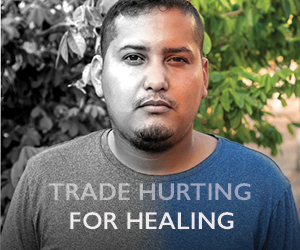
The stigma associated with OUD treatment is often a barrier for people needing help. There is also the misperception that using medications to treat substance dependency is simply “trading one addiction for another” even though properly administered medications do not lead to the “high” of opioids. People from racial and ethnic minority groups as well as those in rural communities can often face obstacles to MOUD access. If you live in Baltimore County, MOUD is widely available.
What types of opioids can be treated by MOUD?
Buprenorphine, methadone, and naltrexone are effective in treating OUD related to:
- Heroin
- Morphine
- Codeine
- Fentanyl
- Oxycodone
- Hydrocodone
Is MOUD treatment safe during pregnancy and breastfeeding?
Yes. These medications are safe for pregnant women with OUD as well as for women who are breastfeeding and for their infants. Breastfeeding during MOUD treatment can help ease symptoms of neonatal opioid withdrawal and improve a baby’s health outcomes.
Where can I find an MOUD program near me?
There are many locations throughout Baltimore County where you can obtain MOUD. You can find the closest facility to you here.
Anyone can play a role in helping to end the opioid epidemic in the United States.
- Reach out if you think you or someone you know has a problem. Talk to family members, friends, or a health care professional.
- Avoid judgment if a loved one has a problem. Recognize that OUD is a medical condition, not a moral failing.
- Show support towards people in recovery. Acknowledge and celebrate their achievements. Encourage them to continue their recovery program.